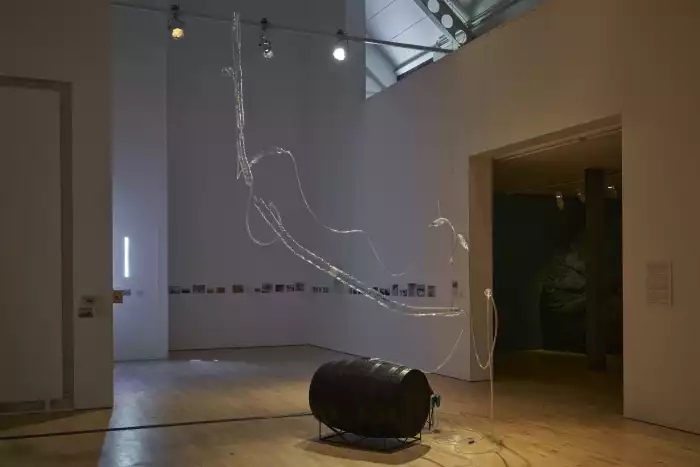
A Simultaneous Agreement is a body of work developed during FRAUD’s Staley Picker Fellowship, centring on the circulation of nutrients and infrastructures permeating the current UK water crisis. Examining the intimacy between the fertiliser mine and the treatment plant, the project asks, when phosphate rock moves across the earth what do they bring with it? Through art- and design-based approaches rooted in spatial advocacy, the project aims to unravel the complexity of corporate, financial and governmental interests that have led to wide-scale water degradation.
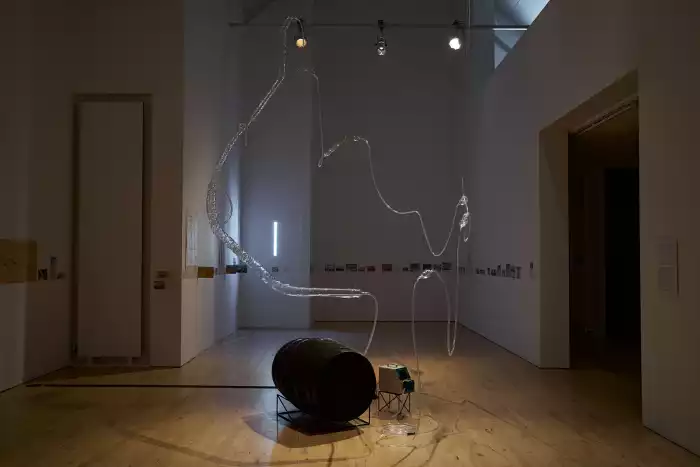
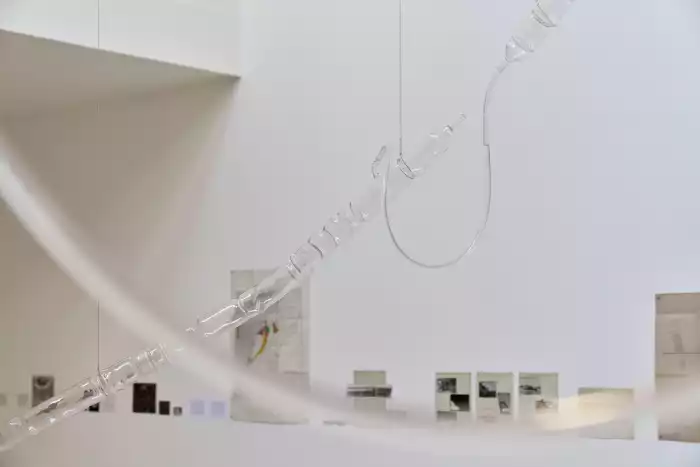
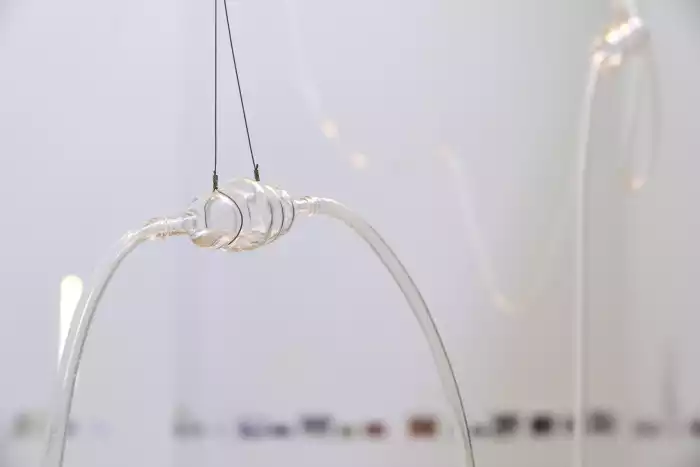
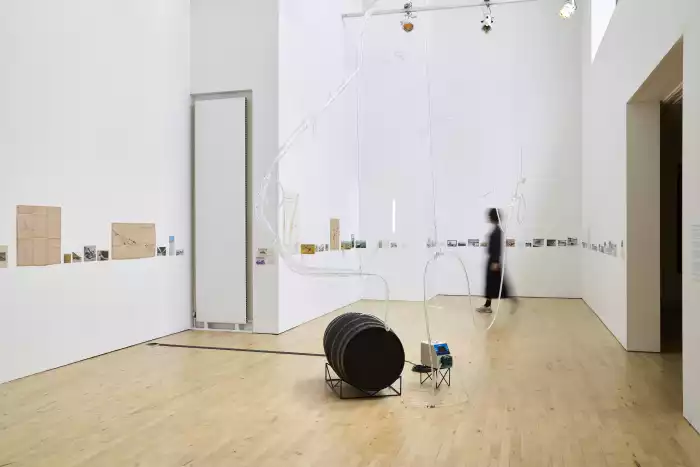
As part of the exhibition, the glass fountain Saharan Rock, on Panamanian Soil, in South African Waters filters Hogsmill river water – which flows on both sides of the Gallery – with activated charcoal. Charting the recirculation of phosphate rock via the path of the NM Cherry Blossom – a bulk-carrier ship carrying contested phosphate rock from the Sahara to East Asia – the installation traces some of the sediments which build (and unbuild) worlds as they move from the shallow bench of the mine to the port warehouse and from South African tribunals to industrial farmland. The exhibition will host a consultation and public campaign to make the nearby Hogsmill River swimmable, using bathing request legislation as a tool for considering the intimacy with nutrients as pollutants.
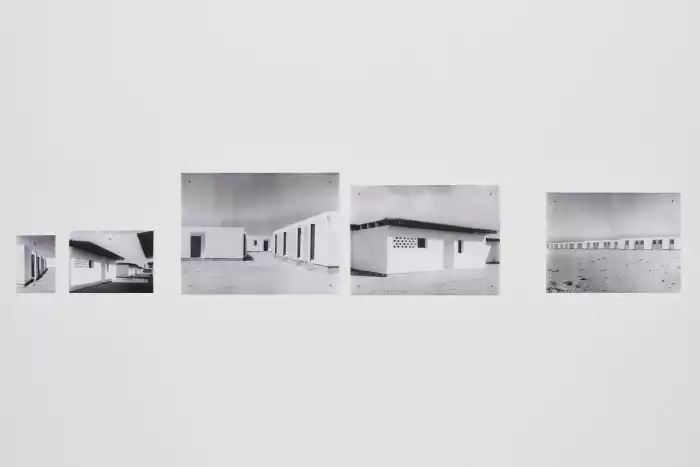
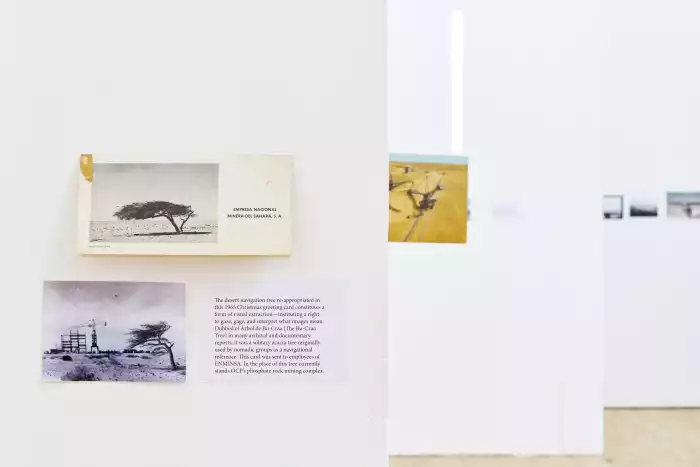
Archival material in the exhibition – An Atlas of P – also examines colonial legacies of phosphate. Included are early prospecting efforts by Spain in occupied Sahara Occidental, which held the world’s most concentrated phosphate deposits. Since 2004, most of materials displayed have been successively classified. Here, the ownership of visuals resources mirrors their raw counterpart which, far from being neutral representations, foreground the colonial logic embedded in visual regimes and denounce the historiographical invisibility of extractive architectures in Western Sahara and their enduring impact on land, waters, bodies, and sovereignty.
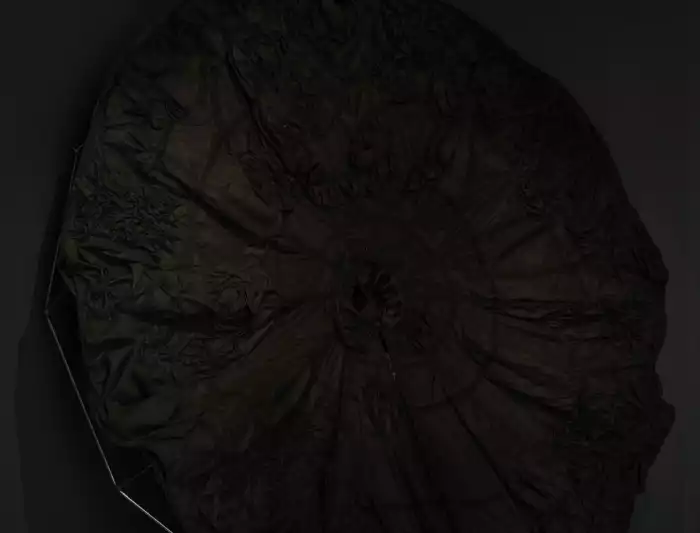
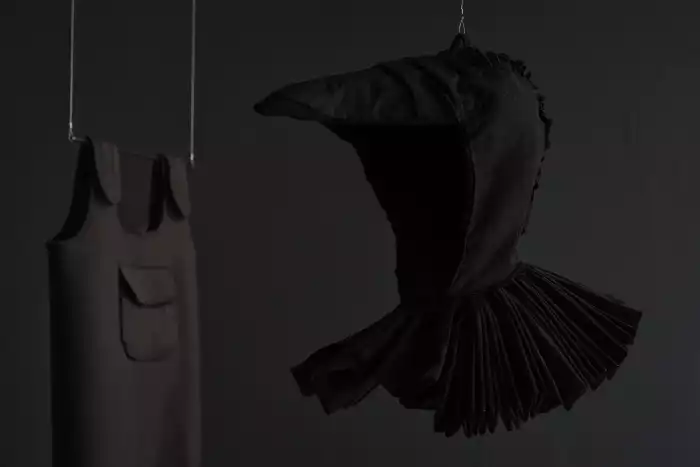
Included in the exhibition is A New Alchemy, activated charcoal-oscuro garment-sculptures that seal the skin from chemical interaction with the surrounding environment and allow the wearer to enter the polluted river. The costume forms part of Standing for the River, a performance event held on the 12 June 2026 that will become part of the evidence required for the submission to request bathing site designation. By effectively capturing pollutants at its surface, the sculpture also stays with the situated trouble of toxicity, rather than offshoring its surface relations.